Showing posts with label gluten-free. Show all posts

Wednesday, October 7, 2015

How to be a professional triathlete with celiac - tips and tricks


This week, I am so excited to interview my good friend and professional triathlete, Robin Pomeroy. I met Robin many years ago when she first started triathlon. She has since developed into an amazing triathlete. What makes Robin so impressive is that she juggles her training while fueling gluten-free. Robin was diagnosed with celiac in 2004. Here are her thoughts on living, training and competing gluten-free and what she thinks about the whole "gluten-free diet" fad. 

First, tell me about yourself.


I aspire to take triathlon to the highest level I am capable of. I have a background in competitive swimming, bike racing, and running. I enjoy putting all three sports together now to compete in triathlon. I love the Olympic distance race, but have started racing the half distance this year as well. The two distances are unique and very different to train for, but I enjoy both.

I continue to work as well, and absolutely enjoy my career outside of racing. It is hard to juggle the demands of work and triathlon sometimes, but it keeps me continuously occupied. I thrive on a busy schedule; however, it’s important to keep a healthy balance of everything.

2015 marks my first year competing as a professional. I have launched a website, so you can follow me here: www.robinpomeroy.com, or at either of my social media accounts: Facebook or Twitter 

Tell me a little about how you were first diagnosed with celiac?
I found out I had Celiac about 10 years ago in 2004/2005. I was a serious high school and collegiate runner who suffered a femoral neck stress fracture that was 80% of the way across the bone - almost causing me to have a hip replacement. Thankfully, it was caught and I had an emergency surgery to pin it up. About a year later, I fractured the other femoral neck, but did not need surgery for this one. Between these fractures, I had blood work and other tests done that revealed some major deficiencies. I was anemic, amenorrheic, osteopenic, and low in many other vitamins and minerals. The combination of these deficiencies and the serious fracture(s) I had led my primary care doctor to refer me to a gastroenterologist, who in turn wanted to test for Celiac Disease. I am thankful that my doctors were insightful enough to test for Celiac Disease because it was not as commonly diagnosed in the U.S. back in 2004.

Wednesday, May 13, 2015

3 Nutrition Practices I Wish Would Disappear


As a sports dietitian, I spend a good amount of time dispelling myths created by the media, movie stars or the like. Whether it is some supplement that promises toned abs and gigantic muscles or some method of eating that is SURE to result in 20 pounds of weight loss in a week, the media is never short of ways to play to the emotions of those desperate for a solution. But of all of the practices I despise, hare are a few that top the list.

1. Detoxing
By far the one of the most irritating practices that continues to be encouraged is detoxing. By detoxing, I mean using a product (shakes, pills, powders, etc.) or elixir (think lemon juice and chili powder, for example) to "clean out" the gut from months or even years of food byproduct build-up or toxins spread throughout the body. This entire practice is based on a fallacy, as digestive by-product does not build up in the gut, so there is no need to clean out anything. Plus, the body rids itself of toxins very well on its own using the liver without the need for additional help. What most of these products do is irritate the lining of the intestines, resulting in diarrhea...which makes the user feel like he/she has achieved something. Want to detox? Regularly focus on eating whole grains, fruits and vegetables and drinking plenty of water to keep the body and intestines working properly - no products required. 

Wednesday, February 11, 2015

Spiralizing Veggies - the Newest Trend: Should you do it?

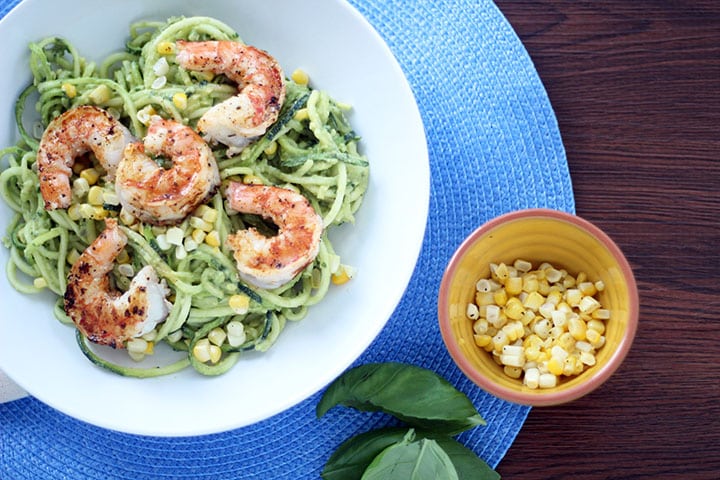
Avocado-Basil Zucchini Noodles with Chile-Lime Shrimp & Corn

One of the newest trends in nutrition is using a spiralizer to spiralize your vegetables. Spiralizing means taking vegetables such as carrots, sweet potatoes or zucchini and turning them into noodles. These vegetable noodles can then be used in place of regular grain-based noodles. While the dishes look very pretty, is this a trend you should follow? The answer is depends on your goal....

If you are a high level athlete putting in long training hours
The more training required of an athlete, the more carbohydrate that needs to be present in the diet. Using spiralized vegetables instead of pasta noodles cuts down significantly on carbohydrate content of the meal. This is not entirely bad if the athlete is then getting carbohydrate from another food source, such as fruit, bread, etc. However, that carbohydrate does need to come from somewhere, as lacking carbohydrate intake on a daily basis can lead to poor recovery, increased risk of injury and a weakened immune system.

Wednesday, August 27, 2014

Which granola or protein bar should you buy?

 
Nothing is as confusing as walking into a grocery store and perusing the granola bar aisle. There are often hundreds of bars to choose from (okay, maybe a slight exaggeration, but it sure feels that way!). So which should you choose? It depends on what you are using that bar for and/or what time of the day it is being consumed. So here are a few options that are nutritionally sound, based on timing and use. Note: this list is NOT all-inclusive and are general recommendations. Your specific needs might be different.

+Available from Trader Joe's specifically, though may be elsewhere
*Available from Whole Foods specifically, though may be elsewhere

Pre-weight lifting
Larabar Peanut butter Cookie (Gluten free, dairy free, Soy free, Vegan)
Luna Lemon Zest (Organic)
Organic Food Bar Active Greens (Organic, Vegan)*


Thursday, May 15, 2014

Four Fantastic Apps for Nutrition-Minded Athletes


It amazes me how many apps exist now for smartphones. I love when I find a good app that makes my life easier. Here are a few of my favorite sports nutrition apps. Whether you want to count calories, shop quicker, eat out easier or check supplements, there's an app for that.

*Disclaimer: I am not being paid by any of these apps to discuss them on this blog. As you will see, I freely discuss the pros and cons of each.*

1. MyFitnessPal - Free
There are lots of apps available for calorie tracking. I like this app because the database is HUGE, which makes it easy to find uncommon or specialty foods. For clients working with me, we can also become "Friends", which allows me to see their food diary. When entering food, be sure to pay attention to how many "confirmations" a given food has received. This will give you some indication as to how accurate the entry likely is. Because this is a user-entered food database, there will be error, but potentially not much greater than any error associated with food tracking. Another note: like all calorie counters, this app notoriously under-estimates calorie needs. However, to use a way to track patterns of mindless eating or general intake across the board, it is a great tool.

Wednesday, January 1, 2014

Food trends for 2014


Happy New Year!

2013 was an interesting year in the world of food. What will happen this year? After scouring the internet for others' predictions, I decided to take my guesses as well. Here is what I think will be hot in 2014:

1. Local food
The local food movement will continue to spread and strengthen. Even Meijer and Aldi have begun to post signs indicating which produce is "grown locally". So look out for more efforts by grocery stores and restaurants alike to provide local produce and meat.

2. Eating flexitarian
Whether it is because of budget, health or interest, many more Americans are embracing the idea of Meatless Monday, etc. Flexitarians are individuals who eat meat some of the time and non-meat entrees the rest of the time. Closer to vegetarians than vegans, flexitarians are more...well...flexible. With almost every restaurant now offering at leat one vegetarian option, I think more people will try going meatless at least some of the time.

Wednesday, May 8, 2013

Gluten-free meals and snacks

I work with a growing number of athletes who do not eat gluten. Many struggle with getting in enough carbohydrate for their level of training. They don't know how to be more creative than eating rice and sweet potatoes with every meal. So for all you gluten-free eaters out there, here are 2 days of gluten-free eating.

Day 1

Breakfast: Low-fat cottage cheese topped with fresh berries and almonds; drizzle with honey

Lunch: Wrap made with Rudi's brand spinach tortilla, Boar's Head brand deli turkey, pesto, mozzarella cheese, fresh mushrooms and spinach. Serve with fresh cantaloupe.

Dinner: Lean turkey burger an Udi's brand hamburger bun with slice of watermelon and steamed broccoli

Snack: Low-fat string cheese with mini box of raisins

Snack: Homemade hummus with baby carrots


Wednesday, February 13, 2013

Going Gluten-Free: Cost-Cutting Tips

So many people are going gluten-free. Luckily, eating gluten-free is not as difficult as it was in the past. More and more products are available that meet the standards for gluten-free. But simply buying packaged gluten-free items can get quite expensive. So how do you toss out the gluten without losing all your cash too? Here are some tips.

1. Start with the basics
Go for naturally gluten-free grains instead of buying specialty mixes. Try quinoa (buy in bulk for best price) or buckwheat....both available in most grocery stores. Remember too that rice and potatoes are gluten-free! Also look for gluten-free oatmeal.

2. Look for substitutes
In place of regular or expensive gluten-free bread, look for gluten-free crackers or breadsticks (you get more servings per package). Or use corn tortillas as a wrap or make a grain-based salad using quinoa or rice.

3. Create your own
How about baking your own gluten-free items? Here are some ideas:
  • Rice pilaf: brown rice and quinoa mix
  • Baking flour: half brown rice + half garbanzo bean flour
  • Use chickpea flour in place of pricey gluten-free baking mix. One use would be to make breakfast/snack cookies instead of buying expensive gluten-free packaged cookies
4. Choose wisely
Many of the larger grocery store chains and some of the local health food stores are often less expensive than buying online. However, check online for specials and look in specialty magazines for coupons.

5. Round out your plate
Fill your plate with plenty of fresh, whole foods such as fruits, vegetables, lean (unprocessed) meats, low-fat dairy and healthy fats (i.e. avocado, nuts, fresh salmon and tuna). All of these foods are naturally gluten-free to begin with. So start with these groups and then add the specialty gluten-free options as an after-thought. This way you will fill up on the less expensive options first.

Be Extraordinary,


RDKate

Thursday, January 3, 2013

5 Essential Foods for 2013

Looking to jump-start your New Year's Resolution to improve fitness or body composition? Here are 5 foods full of nutrients that will help you feel more energized, ward off illness and contribute to a successful weight change program.

1. Avocado
These little green gems are a great source of monounsaturated fat, which can help lower cholesterol when eaten in place of saturated fat. Fat also helps you feel more satisfied after a meal or snack, leading to better choices the next time you eat. And did you know that the more you work out, the more fat you need in your diet? It is essential to help you replace the energy you burn as well as assist with recovery. 

2. Tofu
Tofu is a great source of protein and iron and comes in a variety of types for use in different recipes: silken, soft and firm. Great for vegetarians, tofu is one of the only plant-based foods that can stand alone as a complete protein, meaning it provides all of the essential amino acids that your body doesn't make in one tofu-rrific package. Amino acids are critical for muscle building and repair. Try each variety of tofu to discover your favorite: silken in smoothies, soft in soups, and firm in stir-frys.

3. Quinoa
Though actually a seed, quinoa is prepared like a whole grain (such as rice), but takes significantly less time (10-15 min vs. 40 min). Like tofu, it is a complete protein. It is an excellent choice for those suffering from celiac or gluten-intolerance as it is also a gluten-free grain. Add that it is a great source of protein and healthy fat and this is one powerhouse food! Quinoa can be served hot or cold, so be creative with the plethora of recipes available online.

4. Peppers
As an athlete, a big player when it comes to fighting colds and promoting recovery is antioxidants. Antioxidants help "clean up" your muscles after exercise and enhance the function of your immune system. Peppers are a great source of these antioxidant vitamins; any color will do.

5. Berries
Like peppers, berries pack an antioxidant punch. They are also a great source of carbohydrate, which helps fuel and recover your muscles for exercise.

Want to try all 5 together? How about warm quinoa with red and orange peppers and avocado served with a smoothie of silken tofu and berries? Yumm....

Here's to a great 2013!

Be Extraordinary,

RDKate