Showing posts with label Weight Loss. Show all posts

Wednesday, February 24, 2016

Momma Athletes: How to drop the baby weight for good


As a mom of two awesome children, I understand the desire to get rid of the "baby weight" post-birth. I work with many young moms who often don't realize these 4 key things they should be doing to help them achieve this goal.

1. Plan
Do you plan your meals on a weekly basis? If not, pick one night each week that you will sit down and write out at least the dinner plan for each night. Use this to then build your grocery list. Focus on easy prep foods such as crockpot cooking. Meal planning sounds labor intensive, but it doesn't have to be. This simple step to plan will save you time and stress during the week. Less stress means better weight loss response. Planned out meals probably means better food will be eaten overall, which is also good for your waistline.

2. Hydrate
Nursing moms especially get dehydrated fast. However, any mom knows that in the craziness of responding to a newborn, running after a toddler or driving around young children, water often isn't on the mind. To change this, carry around a water bottle at all times. Your efforts to stay better hydrated not only will help the body flush out toxins, but also contribute to muscle building and fat loss.

3. Keep it real
Just because you have children doesn't mean you have a license to bring in child-marketed food into the house (think fruit snacks, animal crackers, juice boxes, etc.). You don't need that food and neither do your kids. Teach your kids that snacks consist of real food like vegetables and fruits. This helps start good habits in them and keeps the junk food out of your reach as well.

4. Be forgiving
Keep in mind that it took 9 months for the weight to go on - it isn't going to all fall off in 3 months. Try to keep your focus off the scale and just enjoy the beautiful blessing you have been given. This is especially important if you are a nursing mom, as extreme dieting can cause your milk production to dry up. Be forgiving with yourself and take it slowly to assure that you are dropping the weight for good. Expect around 1 pound of weight loss per week to truly drop body fat. Weight loss much more than 2 pounds per week often means you are losing either water or muscle.

Your Nutrition Coach,

RDKate


Picture source: http://gofitmom.com/wp-content/uploads/2014/03/Mom-Exercising.jpg

Wednesday, December 2, 2015

Athletes: Keep these 3 things in mind as you enter the holiday season!


As the holidays approach, I get a lot of nervous athletes in my office. Some worry about undesirable body comp changes, some worry that turning down decadent options will offend family members...and the list goes on. What can you do to calm your anxiety as the holidays creep up? Here are 3 key steps:

1. Right now, determine where you want to be - both physically and mentally - in the new year. What does that mean you need to do with your eating this month? Having a goal to commit to will make you much more successful when you approach the dessert table.

Monday, November 23, 2015

Check out these easy Thanksgiving swaps to save on calories!


Eating healthy on Thanksgiving doesn't have to difficult. While the day is traditionally filled with way too many calories, help yourself or the athlete in your life by making these easy swaps. I wrote this post a couple of years back and decided to update and re-post because it is a good reminder of simple tips and swaps to save big on calories without sacrificing flavor. 

Turkey
Baste with low-sodium/low-fat broth or olive oil. Season with herbs and spice. While the white meat is lower in fat, the dark meat is higher in vitamins and minerals. So a little of each is okay. If your family likes to deep-fry your turkey, don't eat the skin to omit a good portion of saturated fat.

Mashed Potatoes
Substitute trans-fat free and olive oil based tub margarine for butter, sub non-fat plain Greek yogurt for sour cream and sub non- or low-fat milk for cream/whole milk. Cut the added salt by half. Consider sweet potatoes versus white, which are lower in calories and higher in vitamins and minerals. If you go the sweet potato route, spice to your heart's delight but go easy on the brown sugar or marshmallows where calories can add up quickly. Try keeping them plain enough that you can actually taste the potato. When mashing, leave in some of the potato skins, which is where most of the fiber lies.


Wednesday, March 4, 2015

How to use protein powder so it actually works


Of all the supplements I see in my office, protein powder is the most common. But like all products, even the best powder can fail if not used correctly. So, what should you do to make sure your powder does it what promises to? Follow these steps...

1. Assess your reason for using it 
Are you trying to lose weight? Bulk up? Lean out? Are you a vegetarian or vegan needing to up your daily protein intake for overall health? Figuring out why you think you need a protein powder is an important step before you buy a powder. This is because powders are often formulated for specific reasons, from different protein sources and with different additives. Using a good powder for the wrong reasons makes it the wrong powder. 

Wednesday, January 14, 2015

4 Nutrition Excuses You Need to Give Up in 2015


As we enter 2015, I'd like to help you get started on the right foot. In my office, there is no shortage of excuses for not following nutrition recommendations. While I work exclusively with athletes, these excuses can be heard from just about everyone trying to make healthier choices toward bigger goals. So it's time to "name it, claim it and tame it"...it is a new year, after all.

1. I like to sleep.
This is most often used an excuse for not eating breakfast or not eating a post-workout snack after late night training. I like to sleep too - who doesn't? However, it is about priorities. While getting 7-9 hours of sleep on average is a must, so is fueling your body correctly. Re-evaluate where your time is spent. Is there a reason you need to watch 3 hours of television at night? Do you really need to stay on social media until midnight? Its time to unplug early and go to sleep...or stop hitting snooze in the morning. Make a commitment to eating when your body needs you to.

Monday, December 29, 2014

Fad Diets: What you should know before you proceed


Today's blog article is a guest blog written by Eve Pearson MBS, RDN, CSSD, LDN. She is a sports dietitian in Texas who serves the Dallas, Fort Worth, Keller and Austin areas. Learn more about her and her services at www.nutriworkscnc.com. What a great article to read this week when so many of you are creating your New Year's Resolutions - thanks Eve!

Be Extraordinary,


RDKate

---------------------------------------------------------------------------------------------------------

 “I have to have cheese, I don’t care what the diet says!”
This is what I heard someone say at the Whole Foods salad bar the other day.  I think it’s unfortunate #1 – that people feel like they have to cut things out completely and be on a diet period and #2 – this is the mentality that most people have when entering a diet.  Most of the time, I find many people are not 100% committed going into a diet, which is why they aren’t very successful.  If they did happen to lose weight on the diet, it’s likely to come back. Not surprising since most diets don’t include enough calories to withstand over longer periods of time.

Fad diets are easy.  There are rules, dos and don’ts, what you can’t eat and drink.  They tell us to count points, we count points.  They send us food, we eat it.  They allow you to be on autopilot after you learn the basic ins and outs of the diet.

I’m not saying I’m a proponent of many diets out there but next time you pick up a diet book, read online or hear from your best friend the latest fad, go into it with this mentality:

Wednesday, November 26, 2014

Should I detox after Thanksgiving dinner?


With the constant bombardment of products and testimonials, it is easy to believe that detoxing will make up for the "mistakes" of holiday eating. But is it really a good idea to detox after a holiday feast? Will it help you shed pounds? Decrease "a toxin build-up"?

Search for "detox products" online and you'll get over 35,000 hits. Detox diet books number in the hundreds. Surprising? Unfortunately, no. Ridiculous? Absolutely. It's continually shocking to me the amount that some people will pay for products that have absolutely no scientific evidence that they do...anything. The theory behind detoxing is that our body becomes overloaded with "toxins" from the food we eat, mainly coming from additives, caffeine, preservatives, and alcohol. Supposedly these toxins stay in the body, wreaking all kinds of havoc, from weight gain to belly bloat to fatigue. The truth is that this entire premise is faulty.

Wednesday, November 19, 2014

Keep Performance & Body Comp Goals in Mind this Holiday Season!


Well, it's the holiday season again...a time for family, friends, and...FOOD! Unfortunately the holiday season falls - for many athletes - in the midst of the off-season and cold outdoor temperatures. So what's an athlete to do during the holidays to emerge still on track for his/her next race when January 2nd rolls around? Here are my performance-protecting holiday tips. Note: these are in order of importance!

1. Re-assess your goals.
While I understand you may have a March or April competition planned, the holidays may not be the best time to "kick your butt into gear" or "take your training to the next level". December can be a very stressful month - and remember that stress can wreak havoc on your metabolism, digestion and sleeping patterns. If trying to continue a hard-core training plan in the midst of everything is only adding undue stress, perhaps cut back a bit, take a deep breath, and try to enjoy time spent with family and friends.

Wednesday, November 5, 2014

Nutrition Tips for Athletes Ending the Fall Season


With the beginning of November, we near the end of the season for high school and college fall sports. This can mean a lot of different things. For one athlete, it might mean entering a true off-season. For another athlete, he may be transitioning into a winter sport. For a third athlete, she may be entering club season. Regardless of what the next step might be, here are some things every fall athlete should think about now.

1. Assess Your Goals
What were your goals this fall season and did you achieve them? If not, what might have been the reason and what changes need to be made now? What are you goals for the winter? If you are in the off-season, will you place a special emphasis on weight loss? If you are transitioning to a winter sport, do you need to make changes to fueling before the season starts? If you are entering club season, how will your eating need to change (timing and amount)?

Thursday, September 18, 2014

4 Reasons You Should Eat Squash This Fall


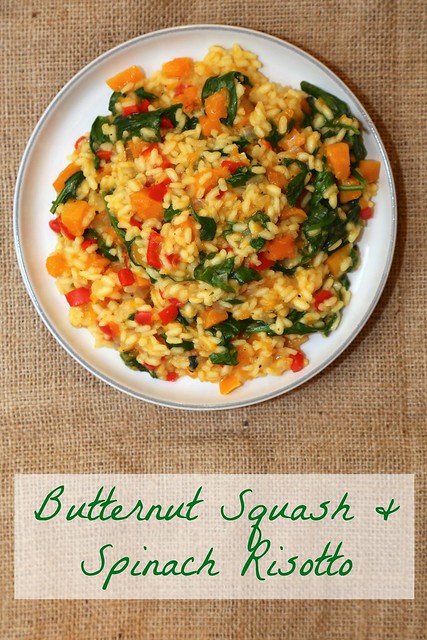
Butternut Squash & Spinach Risotto

The butternut squash is ready to be harvested in our garden. There is no arguing that fall is upon us. Squash is a common staple around Thanksgiving, but why should you start eating it now? Here are few reasons squash is a fantastic nutritional choice:

1. It's low calorie
This makes it a great choice because it means those with higher calorie needs can eat more volume (and who doesn't like that)? Those with lower calorie needs can trust that this is a smart option that won't tip the scales. Use it as a perfect substitute for white potatoes.

2. It's full of Vitamin A
Vitamin A is powerful anti-oxidant whose beneficial properties have only been seen when eaten (versus supplemented). In addition, Vitamin A is important for healthy eyesight - especially night vision. 

3. It's high in B-Vitamins
Essential to fueling metabolic processes, b-vitamins are plentiful in squash. Make sure you get your metabolism revving by incorporating squash.

4. It's versatile
You can find a large variety of squash, including butternut, acorn and spaghetti squash. From that, you can make dishes such as butternut squash pizza (sub squash for sauce and/or use as a topping), pasta (sub spaghetti squash for the noodles) or butternut squash lasagna (sub squash for sauce). You can even toast the seeds as a great source of fiber.

Looking for a tasty recipe for your own newly-harvested (or purchased) butternut squash? Here is one that will bring the family to the table:

Butternut Squash and Spinach Risotto
Serves: 2

Ingredients:
10 oz butternut squash
1 large red onion
2 cloves garlic
1 red bell pepper
3.5 oz fresh spinach
Handful of flat leaf parsley
1 tsp olive oil
7 oz arborio risotto rice
1 pint vegetable stock
black pepper, to taste

1. Peel the squash, scrape out seeds and cut into cubes around 1/2 inch across (note, you need 10 oz AFTER peeling)
2. Finely chop onion, garlic and red pepper.
3. Heat oil in a large, heavy-based saucepan.
4. Fry the squash, onion, garlic and red pepper together over a low/medium heat until the squash starts to soften.
5. Add the rice and stock; simmer 15-20 minutes (check instructions on your rice), stirring frequently and adding additional hot water as required to keep the rice from boiling dry.
6. Season liberally with black pepper.
7. Once rice is cooked, add spinach and fresh parsley and stir it through until the leaves wilt. Serve immediately.


Be Extraordinary,


RDKate

Thursday, September 4, 2014

Which trail mix should you buy?

Last week, I provided a list of recommended granola bars. After the overwhelming positive response and readership of that article, I decided to follow it up with the same recommendations - but this time for trail mixes. Between bulk mixes and pre-packaged, the possibilities are endless. So which should you choose? Just like the bars, it depends on what you are using the trail mix for and/or what time of the day it is being consumed. So here are a few options that are nutritionally sound, based on timing and use. Note: this list is NOT all-inclusive and represents general recommendations. Your specific needs might be different.

+Available from Trader Joe's specifically, though may be elsewhere
*Available from Whole Foods specifically, though may be elsewhere

Pre-weight lifting
Meijer Traditional Trail Mix
Trader Joe's Simply Almonds Cashew Mango Trek Mix (Gluten-Free)+
Sahale Snacks Singburi Cashews (Gluten-Free)*


Wednesday, April 16, 2014

3 ways sleep deprivation ruins your training goals


Sleep is not always a priority for athletes, but it should be. In fact, ~28% of adults admit to getting less than 6 hours of sleep each night compared to the recommended 7-9 hours. Sleep deprivation (defined here as 4-6 hours of sleep nightly) has been linked to a host of health detriments. Here are the top three and why athletes should care.

1. Fatigue
The most obvious effect of lack of sleep is fatigue. Fatigue encourages more sedentary behavior, which in turn slows down your daily calorie burn. This can lead to increased body fat. Fatigue can also lead to that famous, "I'm just too tired to train; I'll take a nap instead" or perhaps the, "If I'm this tired, my body MUST need more sleep. I better not train." Enough days like this and suddenly you have lost multiple weeks of effective training. When your body is simply tired, no amount of hydration or snacks will solve the problem. The solution is to avoid this is in the first place by aiming for 7-9 hours of sleep nightly on average.


Thursday, February 6, 2014

What the scale is and is not telling you about your body


A scale gives you information without context. A scale only provides a number at that specific time, but doesn’t tell you the complete story. Your weight can be affected day-to-day by many things that are not taken into account on a scale.  

What the scale doesn't tell you
Total health
·         A scale only reveals your body weight at a specific time, but not overall health.
·         Your healthy weight depends on diet, lean muscle, daily activity, metabolism, age, and genetics which a scale does not report (or in the case of lean muscle - not accurately).
·         The scale could indicate weight loss or gain, but doesn’t tell you if you are underweight or overweight for your height and body composition.

If you are hydrated or dehydrated
·         The scale might mislead you to think you have gained weight if you are well hydrated or lost weight if you are dehydrated.
·         If you experience a 2% weight loss post workout, this is not good weight loss because it indicates dehydration and electrolyte loss, which affect your performance.

Thursday, November 21, 2013

Thanksgiving Swaps for less saturated fat and calories


It's that time of year again: Thanksgiving. A time for family, friends and food...lots of it. While the day is traditionally filled with way too many calories, help yourself or the athlete in your life by making these easy swaps. Little changes cut down on added sugar, saturated fat, sodium and calories...but won't sacrifice flavor. And yes - I get that this is only one day so you think you should be able to eat whatever you want. But if you can make these changes without even tasting the difference, why wouldn't you?

Turkey
Baste with low-sodium/low-fat broth or olive oil. Season with herbs and spice. While the white meat is lower in fat, the dark meat is higher in vitamins and minerals. So a little of each is okay.

Mashed Potatoes
Substitute trans-fat free tub margarine for butter, sub non-fat plain Greek yogurt for sour cream and sub non-fat milk for cream/whole milk. Cut the added salt by half. Consider sweet potatoes versus white, which are lower in calories and higher in vitamins and minerals. If you go the sweet potato route, spice to your heart's delight but go easy on the brown sugar or marshmallows where calories can add up quickly. Try keeping them plain enough that you can actually taste the potato. When mashing, leave in some of the skin, which is where most of the fiber lies.

Wednesday, May 29, 2013

School's Out but Breakfast Should Stay

School is either almost or already out for many athletes. It can be tempting to start skipping breakfast; this often happens when athletes are out of their normal routine. Here's some advice: don't. "I'm not hungry in the morning" or "I don't have time" are not acceptable; they are excuses. Skipping breakfast often leads to overeating as the day continues (especially at night). Make a commitment to continue your performance nutrition throughout the summer, when sometimes training can be at its peak (especially for fall-sport athletes).
 
Skipping breakfast can lead to:
Early fatigue during workouts and throughout the day
Less effective training
Problems losing and maintaining weight
Trouble concentrating at a workout or a summer job
 

Thursday, May 2, 2013

Nut nutrition facts...in a nutshell

Nuts are a great way for athletes to add energy to their training diet that's packed with fiber, protein, and healthy fat. Because these are a very energy-dense food option, it is a great way for busy athletes to meet their caloric needs quickly and nutritiously. Did you know that eating 1.5 ounces of the nuts listed below reduces your risk of heart disease? One study also found that women aged 20-45 years old who ate nuts at least 2 times per week had a lower risk of weight gain and obesity over an 8-year follow-up period than those women who ate nuts less frequently.

Are you aware of the huge variety of nuts? It's not just about peanuts, almonds and walnuts anymore. Read on to learn about the variety of nutritious nuts out there.

Note: 1 oz varies from ~160-200 Calories. A good rule of thumb is to substitute nuts for food sources of saturated fat in the diet (i.e. fried foods, full butter, commercial baked goods, etc.).

Cashews (1 oz serving = ~18)
Source of: copper and magnesium
Flavor: slightly sweet
Use: as a snack - raw or roasted - or added to Asian dishes

Thursday, April 18, 2013

Coaches: How to prevent eating disorders in your athletes

Due to the pressure to be the best, meet a certain weight or achieve a certain level of body fat, athletes are at an increased risk of developing eating disorders. Whether or not an eating disorder develops is dependent on many things. However, a coach often plays a leading role in this process: in a way that can either encourage or discourage an eating disorder. Are you a coach concerned about creating a culture of restrictive eating and unsafe dieting practices? Being aware of this potential is an important first step. Here are some tips to prevent eating disorders in the athletes you work with every day.

1. First it is important to recognize that eating disorder behaviors are serious. The leading causes of death for people with eating disorders are cardiac arrest and suicide, so observing unsafe behaviors is not something to be ignored.

Tuesday, April 2, 2013

Tiny eating and exercise tricks for big weight loss

About this time of year, many of my athletes come into my office asking about dropping weight. Whether it is for health, performance or vanity reasons, a request to drop 5-15 pounds is common. Perhaps with the snow thawing and weather warming, your overall health and/or summer races are on your mind too. One thing I emphasize with my athletes is that weight loss is not easy. It takes commitment every day and throughout the day. However, there many tricks with respect to eating and exercising that will increase your chance of success.

Methods of Eating
1. Eat slowly. Commit to at least 10 minutes for a snack and 20 minutes for a meal (minimum). Chew your food thoroughly. Put the fork down and drink water between bites.
2. Eat with someone. Enjoy conversation; this will naturally slow your eating pace.
3. Cut food into small pieces. This creates the allusion of a greater volume of food, as well as - again- slows your eating pace.

Wednesday, December 26, 2012

Should I detox after Christmas dinner?

I originally posted this blog back in August. However, in light of the post-holiday fog, I thought it appropriate to dust it off. It's easy to believe that detoxing will make up for the "mistakes" of holiday eating and prevent the ones that may still come (...New Years???). But is it a good idea to detox after a holiday feast? Will it really help shed those pounds and "toxins" built up over the month of December?......

Search for "detox products" online and you'll get over 35,000 hits. Detox diet books number in the hundreds. Surprising? Unfortunately, no. Ridiculous? Absolutely. It's continually shocking to me the amount that some people will pay for products that have absolutely no scientific evidence that they do...anything. The theory behind detoxing is that our body becomes overloaded with "toxins" from the food we eat, mainly coming from additives, caffeine, preservatives, and alcohol. Supposedly these toxins stay in the body, wreaking all kinds of havoc, from weight gain to belly bloat to fatigue. The truth is that this entire premise is faulty.

Talk to any GI specialist and he/she will tell you the same thing: our bodies don't get "backed up with toxins" that come from the foods we eat. The body is perfectly capable of cleansing itself using its own special device: your liver. Ever heard the phrase, "You live-r you die"? You need your liver - can't live without it! It is your body's natural way of filtering out the "bad stuff" and keeping the good.

So why do people keep buying detox and cleansing products, claiming to see results? Many of these products are filled with intestinal irritants, designed to upset the lining of your gastro-intestinal (GI) system so that you go to the bathroom (and therefore think the products is effective). The products claim that this is your body ridding itself of "toxins and years of build-up", when all you have done is irritate your intestines.
Unfortunately, the consequences can go beyond mere irritation of your GI system. Many detox products or detox diets are downright dangerous. Some products require extreme fasting for days or weeks at a time, in which participants only drink liquids or eat only one or two foods. Taking in so few calories leads to severe muscle wasting (not fat loss). Still other detox products contain laxatives or colonics; these can be dangerously dehydrating and cause electrolyte imbalances in the body. Use the products enough and you will start decreasing how effectively your intestines absorb the vitamins and minerals in the food you eat. Some people become dependent on these "colon cleanses" to go to the bathroom because they have overused them and upset the natural regularity of their bodies.

Looking for a healthy way to "cleanse" your body after the holidays? Try this:

1. Drink plenty of water

2. Eat whole foods rich in fiber, such as fruits, vegetables, and whole grain.

3. Fuel your muscles with low-fat dairy products and other lean sources of protein.

4. Eat consistently throughout the day: every 3-4 hours is ideal.

5. With the okay from your doctor, be physically active every day.

6. Avoid laxatives and detox supplements.
So whether it's a pill, liquid, diet, or foot pad (yes, those are out there too), stay far away.
Be Extraordinary,
RDKate

Thursday, August 25, 2011

Finished your workout? You're not done!

Think all you have to do is stretch after exercise? Think again! Whether your goals are improved body composition, enhanced performance, or overall weight loss, what you eat after a workout might be the most important thing you eat all day (after breakfast, of course).

Last week I wrote of the importance of the pre-workout snack. So what’s the big deal with the post-workout eating? Eating within 60 minutes after exercising improves muscle recovery and muscle resynthesis, as well as helps prepare you for the next workout. The secret, however, is what you put in that post-snack. On the way home from the gym, try to resist the temptation for that donut or fast food treat because you “earned it”. That doesn’t do your muscles any good, and I guarantee it will not help you reach your health or fitness goals. Instead, what you should eat is very similar to what I discussed last week for before your workout: Carb and protein. The difference is that now you’re done working out so you can afford to eat a greater overall volume with a bit more healthy fat without the fear of getting sick.

Here are a few ideas. Each of these contain about about 75gm of carb and 20gm of protein, which is what you should aim for after a workout:
  • 2 slices of whole wheat bread, 2 Tbsp peanut butter, 1 Tbsp jelly, and 1 cup 1% milk
  • 1 baked potato, 1/4 cup (2% milk) shredded cheese, 1 cup broccoli, 2 Tbsp tub butter/margarine (such as Olivio or Smart Balance)
  • 1 pita bread, 1/4 cup hummus, 1 banana, 1 mozzarella cheese stick
  • Clif Bar/Powerbar/Harvest Bar with 2 cups 1% milk
Here are a few things to consider when planning your post-workout intake, depending on your goals and situation:

1. If you’re trying to build muscle, increase the protein and decrease the carb slightly from the recommendations above. Try for a ratio of 2:1 of carbs to protein (an example would be 50 gm of carb and 25 gm of protein). Some energy/granola bars on the market are this exact ratio…for this exact reason, so check your food labels. And try to eat your snack within 30 minutes of finishing your workout. This is when the majority of muscle synthesis is occurring.

2. If you’re trying to lose weight, try to work in pre- and post-workout eating as one of your snacks and meals, respectively. While it is important to decrease overall caloric intake to achieve weight loss, decreasing caloric intake immediately before or after your workout will cause your body to less efficiently burn fat for fuel, and instead be forced to burn muscle for energy. Focus on other times during the day when you can decrease portions.

3. If you normally head to a main meal right from a workout, there is no need to add in a separate post-workout snack, provided you eat that meal within an hour after exercise. At that meal, follow the guidelines above for carb and protein – the correct ratio is important.

So what’s the deal with low-fat chocolate milk? Many of you have probably read or seen the plethora of reports on the greatness that is low-fat chocolate in terms of recovery. The honest truth is…it really is quite great. Why? Because the protein in the milk plus the carbohydrate from the milk and added chocolate creates a perfect ratio of carb to protein post-workout. Plus it tastes much better and is cheaper than many of the “recovery shakes ” currently on the market. Just make sure it is low fat…you don’t need the added saturated fat in the whole fat varieties, plus too much fat will actually keep the good nutrients from getting to your muscles for recovery. And isn’t that the whole point of this jazz anyhow? So, indulge in that delicious LOW-FAT chocolate milk, but stick to no more than 2 cups as part of your post workout feeding.

So don't just stretch those muscles after exercise - refuel them!


Be extraordinary,

RDKate